
The Real Cost of Building a 3-Bedroom House in Kenya (2026 Price List)
3/22/20262 min read
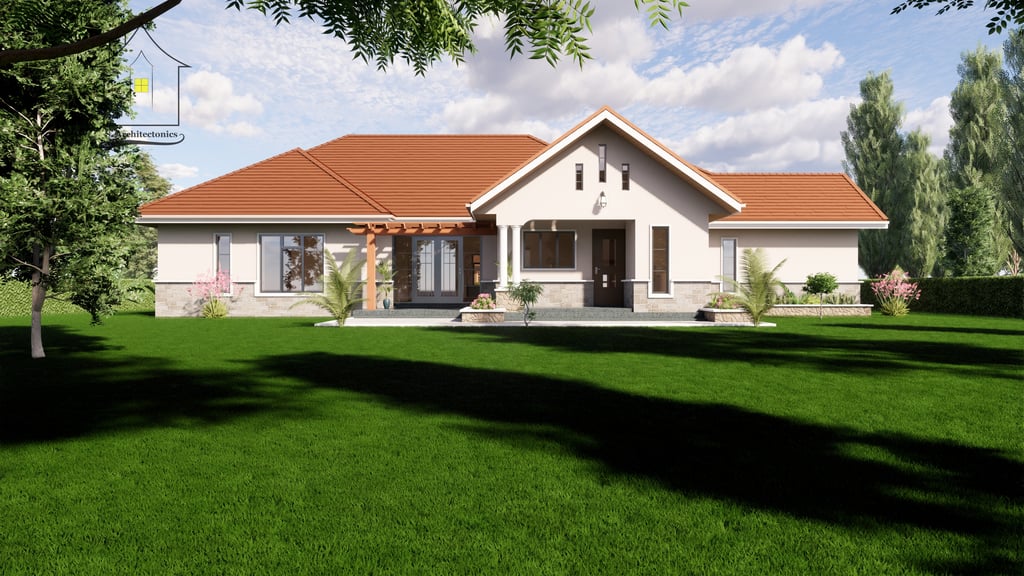
For most Kenyans, building a home is the ultimate milestone. However, the biggest question remains: “How much does it really cost to build a 3-bedroom house in Kenya?”
With the fluctuating prices of cement, steel, and fuel in 2026, estimates from two years ago are no longer accurate. Whether you are constructing in Nairobi, Kiambu, Nakuru, or Mombasa, understanding the current price per square meter is crucial to avoiding stalled projects.
Average Cost Breakdown
Currently, the average cost of construction per square meter in Kenya ranges between KES 45,000 and KES 70,000. This price varies based on location, finishes, and the professional team you hire.
For a standard 3-bedroom house (approximately 120 to 150 square meters), here is a realistic estimate:
Budget Finish (KES) - 3.5M – 4.5M
Standard Finish (KES) - 5.5M – 7.5M
Luxury Finish (KES) - 8.5M – 12M+
What Influences the Cost in 2026?
Material Inflation: The price of cement (currently averaging KES 700–750 per bag) and reinforcement steel (KES 850–950 per kg) remains volatile.
Location: Building in an urban area like Nairobi incurs higher labor and transport costs. Remote areas often have lower land costs but higher material transport logistics.
Foundation Type: Black cotton soil (common in Athi River, Syokimau, Kajiado and parts of Karen) requires deep foundations or raft foundations, adding up to 20% to the structural cost.
Hidden Costs to Budget For
Many first-time builders forget these line items:
Water and electricity connection: KES 150,000 – 350,000 (depending on distance from main lines)
County approvals (Permits): 1% – 2% of total construction cost
Professional fees (Architect, Engineer, QS): 8% – 12% of total construction cost
How to Save Money Without Cutting Corners
Stage your construction: Instead of building all at once, complete the structure (rain-tight) first, then finish rooms in phases.
Buy materials in bulk: Join a chama (investment group) to purchase materials like cement and steel directly from distributors rather than retail hardware stores.
Use local alternatives: Consider quarry stones from local sources and explore interlocking stabilized soil blocks (ISSB), which are cheaper and eco-friendly.
Pro Tip: Before breaking ground, hire a Quantity Surveyor to do a Bill of Quantities (BQ). This document is the only way to avoid running out of money halfway through your project.